fbpx

Inland Sea

ETHEREAL BLUE

Hiroshima, Okayama, Kagawa

November 2026 | 9 Days, 8 Nights | 12950 USD

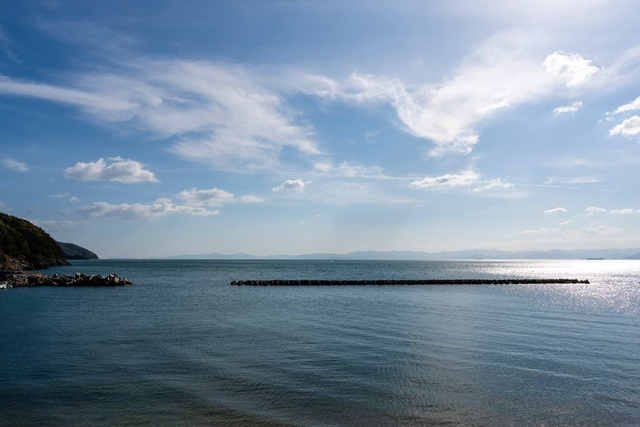
The island-dotted blue blanket of the Seto Inland Sea is one of Japan’s epic visual feasts. It is the body of water separating mainland Honshu from Shikoku, the smallest of the four primary islands, and served as a maritime corridor where commerce and culture intermingled for centuries. The sea is known for its calm waters, and over time, the domains that developed along its coastlines have become sun-kissed centers of heritage and beauty. In this journey, as we move along the coast and through sea lanes, we will discover treasures of art and nature, savor inimitable cuisine, and meet the people who carry cherished legacies into the future.

Why Inland Sea?

Beauty alone is enough reason to travel the Inland Sea, but we add culture, crafts, and cuisine to our motives. This calm expanse is a blue highway, a corridor where goods, gods, and ideas flowed freely for millennia. The result is a region defined by an openness, distinct from the various domains of the interior. Here, the water connects. From the nostalgic port vitality of Onomichi and the merchant legacy of Kurashiki to the raw earth of Bizen kilns and the olive groves of Shodoshima, we discover a region that beckons us across the gentle rhythms of the sea.


Trip Over View

Our journey pivots around Setouchi, the culture of the Inland Sea. We begin in Hiroshima for a reflection on peace before transferring to the “Town of Slopes,” Onomichi. Anchored by a stay at a masterfully restored historic tea garden ryokan, we use this port as our gateway to the region’s history. We then travel east to Kurashiki to walk its willow-lined merchant canals before crossing the Great Seto Bridge to Shikoku. Here, amidst the olive groves of Shodoshima and the stone gardens of Takamatsu, we uncover a culture defined by its deep connection to the sea and its vibrant creative spirit.

Hilights

  • The Art of Reflection: From the “Axis of Peace” at Hiroshima to Isamu Noguchi’s unfinished stones, our journey is punctuated by transformation. We blend past and present at Shinshoji, meditating inside the Kohtei pavilion that floats over the landscape.
  • Merchants & Makers: We explore historic townscapes shaped by maritime trade, from the merchant canals of Kurashiki to the hillside temples of Onomichi. We also witness the alchemy of fermentation, from the “living” cedar barrels of Shodoshima to the heritage sake breweries of Saijo.
  • The Blue Highway: The sea is our constant companion. We approach Miyajima’s floating gate by private cruiser, view Ritsurin Garden from a traditional Wasen boat, and traverse the blue expanse connecting the islands.

Your Trip, Day by Day

9 Days, 8 Nights

Day 1 : Arrival
Day 2 : Hiroshima
Day 3 : Hiroshima
Day 4 : Okayama
Day 5 : Okayama
Day 6 : Kagawa
Day 7 : Kagawa
Day 8 : Tokushima
Day 9 : Departure
Day 1 : Hiroshima

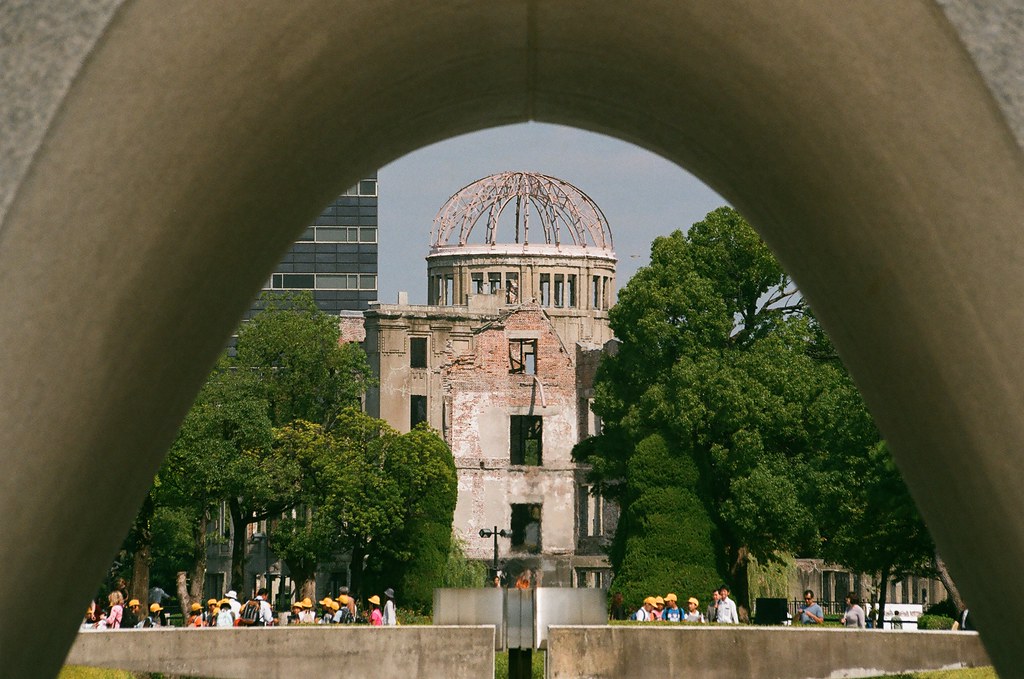
We meet at Hiroshima Station and immediately ascend above the city. Through a special arrangement, we have exclusive access to the grounds of Hiroshima Toshogu, a shrine dedicated to the spirit of Tokugawa Ieyasu. At the summit, overlooking the lovely cityscape, we participate in a private nodate outdoor tea ceremony before descending to the city for lunch. We'll then visit Peace Memorial Park to pay our respects at the "Axis of Peace" before transferring to our ryokan for the evening.

Local Spotlight: Peace Memorial Park
While the Atomic Bomb Dome stands as a stark reminder of the past, the Peace Memorial Park itself is a masterwork of modernist planning designed by Kenzo Tange and is a space of reflection for all of humanity. The park's "Axis of Peace" creates a powerful visual line connecting the Cenotaph, the Flame of Peace, and the Dome. Walking here, one feels not just the weight of history, but also a landscape deliberately designed to turn our eyes toward the future.

Stay: Ryokan Onomichi Nishiyama
Meals: Welcome Dinner
Day 2 : Hiroshima

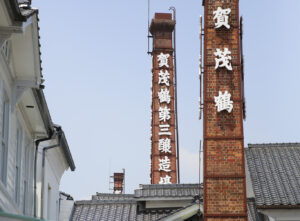
We travel inland to Saijo, one of Japan’s three great sake capitals. The town is instantly recognizable by the red-brick chimneys rising above its historic streets. Through an exclusive partnership with the regional tourism board, we bypass the public routes for a private "brewery hopping" experience unavailable to independent travelers. Guided by a local expert, we enter heritage breweries to decode the alchemy of Ginjoshu through curated tastings and precise food pairings. We conclude the immersion with a traditional lunch of Bishu Nabe (Sake Hot Pot), a brewer’s dish designed to nourish without interfering with the delicate tasting palate.

Local Spotlight: The Water of Saijo
The secret to Saijo’s fame is its groundwater. The water here is medium-hard, perfect for the slow, low-temperature fermentation required for premium Ginjo sake. We will taste the water directly from the source wells scattered throughout the town to understand the foundation of the flavor before we taste the wine itself.

Stay: Ryokan Onomichi Nishiyama
Meals: Breakfast, Lunch (Bishu Nabe), and Dinner
Day 3 : Hiroshima

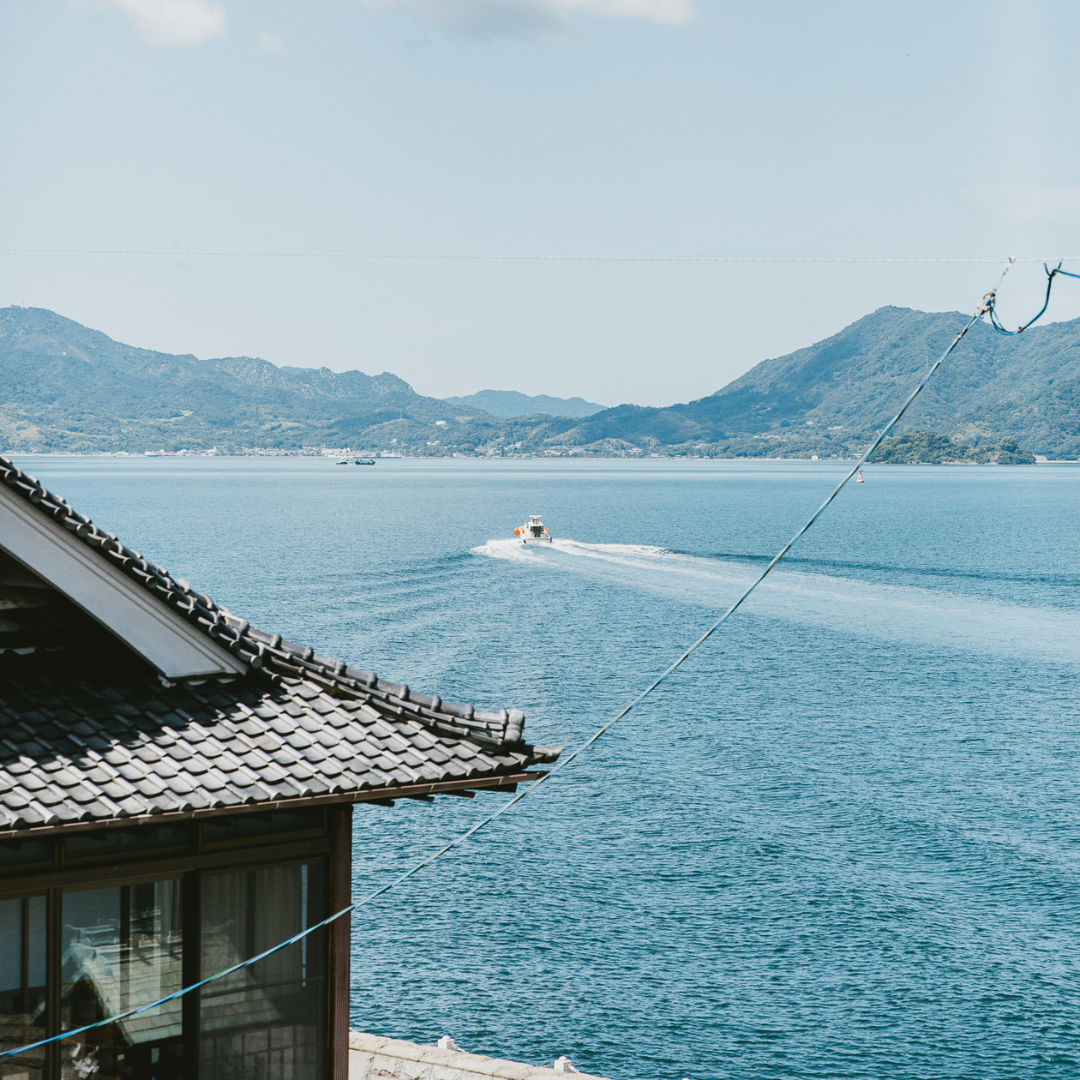
We begin the morning navigating the "Town of Slopes." Onomichi is a labyrinth of stone steps, ancient temples, and retro arcades that cling to the hillside overlooking the Seto Inland Sea. After a local lunch of the city's famous Onomichi Ramen, we shift from the sensory to the meditative at the Shinshoji Zen Museum. We explore the manicured grounds and the Kohtei pavilion, an incredible art installation designed for contemplation. Here, contemporary architecture blends with the silence of Rinzai Zen for an ideal conclusion to our time in Hiroshima Prefecture.

Local Spotlight: The Kohtei Pavilion
Designed by artist Kohei Nawa and Sandwich Inc., the Kohtei is a ship-shaped pavilion clad in thousands of wood shingles that seems to float over a stony landscape. It is an art installation devoted to the Zen practice of silent contemplation. Within the dark hull, watching light reflect off a pool of water is a visceral experience of "nothingness" (mu).

Stay: Ryokan Onomichi Nishiyama

Meals: Breakfast, Lunch (Local Anago), Dinner (French-Setouchi at Azumi)

Day 4 : Okayama

We make the short journey east to Kurashiki, a beautifully preserved town that once flourished as a vital center for rice distribution. After checking into our boutique residence, Yoruya, we spend the afternoon exploring the Bikan Historical Quarter. Strolling along its willow-lined canals, past black-and-white storehouses converted into cafes and galleries, feels like stepping directly into the Edo period.

Local Spotlight: The Namako Wall
As you walk the Bikan Quarter, note the distinctive black-and-white geometric pattern on the walls of the storehouses. This is Namako-kabe (sea cucumber wall). It is a fireproofing technique using thick layers of white plaster over black tiles. Originally a practical defense against fire for precious rice stores, it evolved into a symbol of the merchants' wealth and aesthetic discipline, defining the visual rhythm of Kurashiki.

Stay: Yoruya (Kurashiki)
Meals: Breakfast, Lunch (Kurashiki Soba), Dinner (Leisure)
Day 5 : Okayama

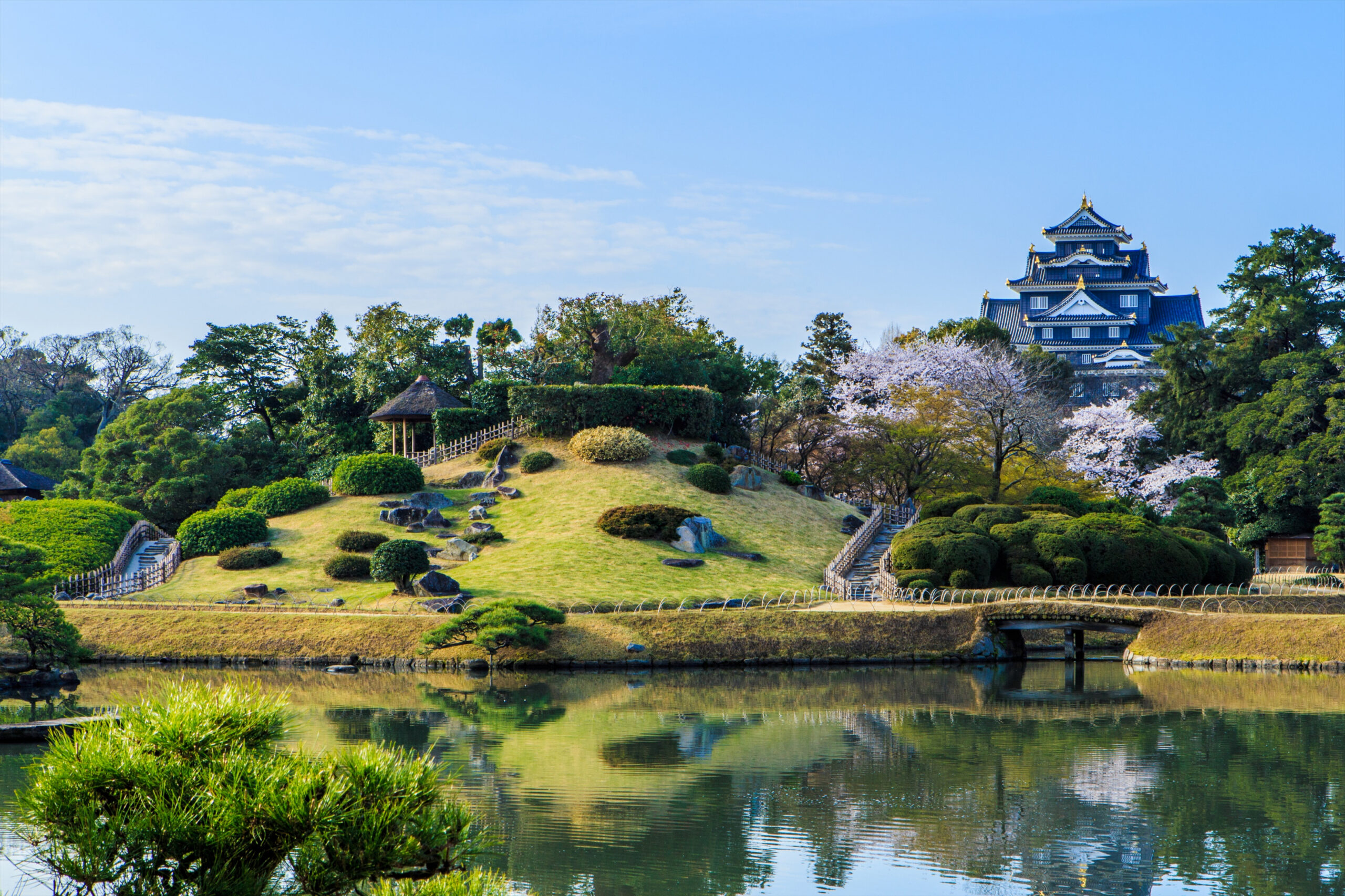
We begin in Okayama City to witness the dramatic "Crow Castle" (Ujo) with its striking black lacquer exterior, followed by a stroll through Korakuen, one of Japan’s Three Great Gardens. In the afternoon, we shift from the polished world of the samurai to the raw elements of the earth. We travel to the nearby town of Imbe, the home of Bizen pottery. Here, we visit the studio of a master potter to see Japan's oldest pottery technique—unglazed, wood-fired, and defined entirely by the unpredictable relationship between clay and flame.

Local Spotlight: Bizen Ware
Bizen ware is the embodiment of wabi-sabi. Unlike the painted porcelains of Kyoto, Bizen uses no glaze. Its reddish-brown patterns are created solely by pine ash reacting with the clay during a 10-to-14-day wood firing. Each piece is an "accidental masterpiece" of nature, capturing the true spirit of earthenware.

Stay: Yoruya (Kurashiki)
Meals: Breakfast, Lunch (Okayama Barazushi), Dinner (Leisure)
Day 6 : Shodoshima

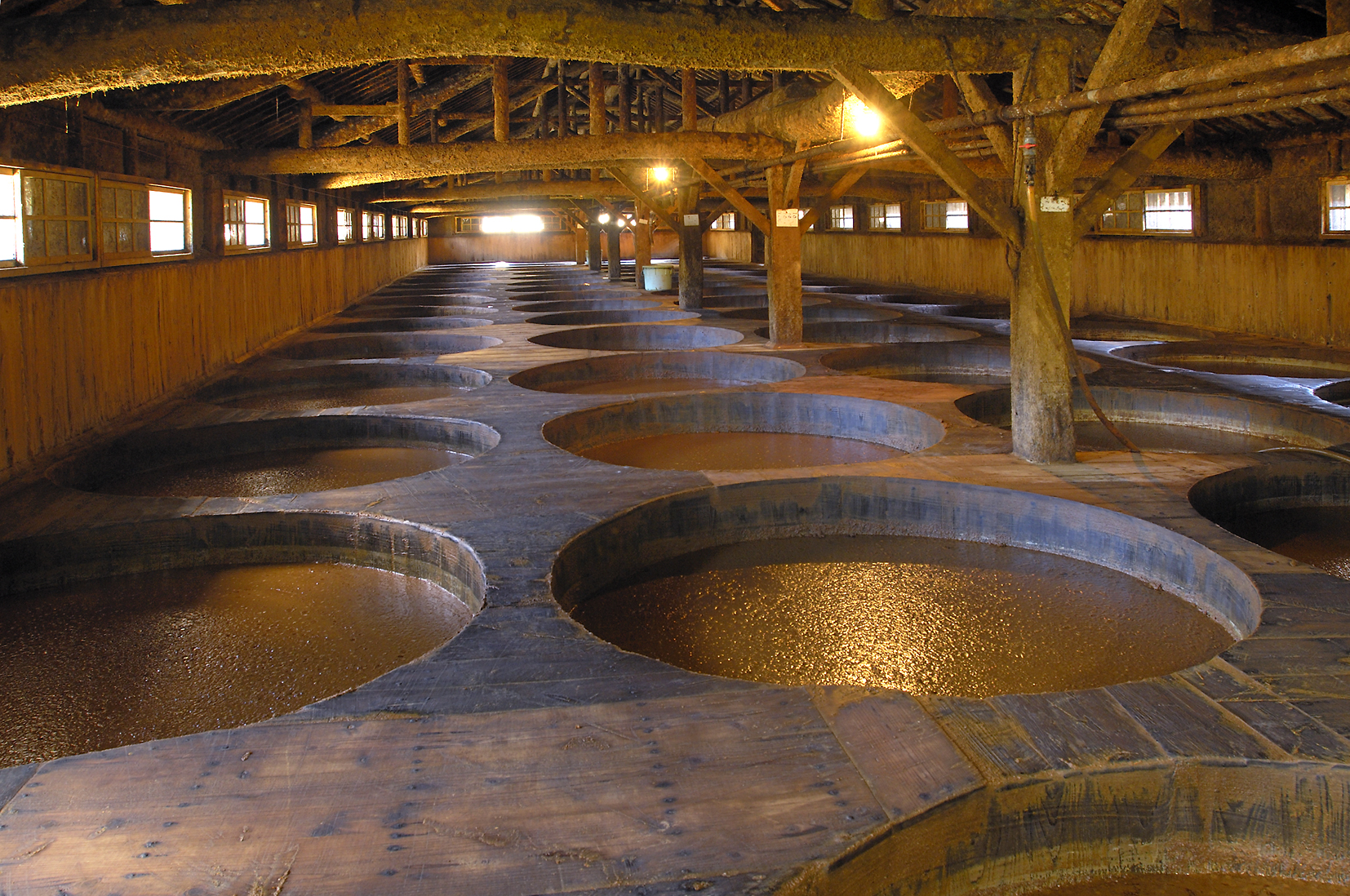
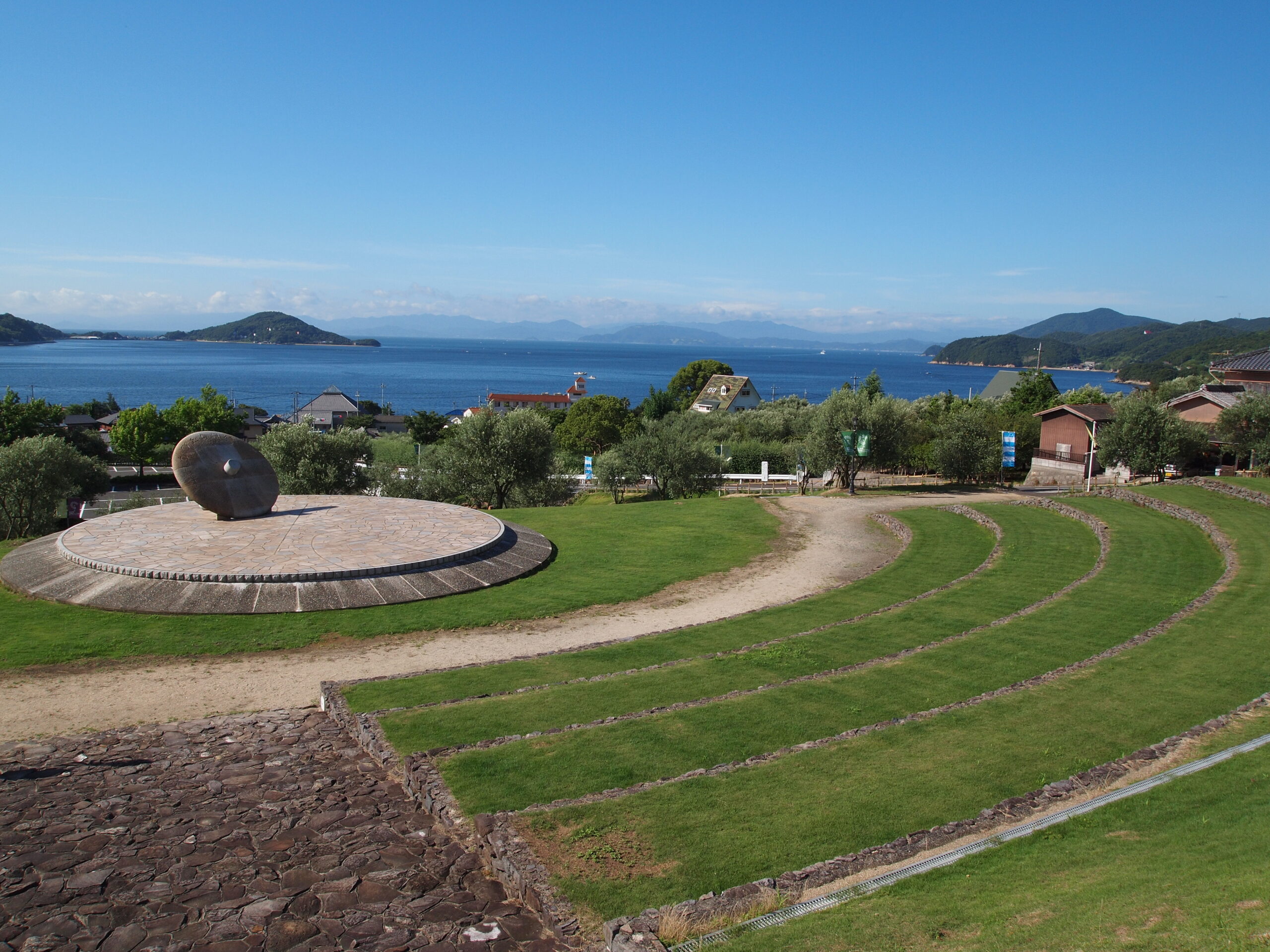
We cross the water to Shodoshima, the “quiet pulse of the Inland Sea.”. We will walk among the massive cedar barrels at Yamaroku Soy Sauce, where fermentation happens naturally over generations in a living ecosystem of yeast. We explore the olive groves that give the island its nickname and view the dramatic rock formations of Kankakei Gorge. Tonight, we stay at Shimayado Mari, an intimate inn that is a destination in itself.

Local Spotlight: The Living Barrels
At Yamaroku Soy Sauce, the ingredients are simple, but the process is ancient. The brewery uses massive cedar barrels (kioke) that are over a century old. These barrels are home to millions of microorganisms that are unique to the brewery. Unlike mass-produced soy sauce which is fermented in stainless steel for a few months, Yamaroku's sauce brews for four years, resulting in a depth of flavor that is impossible to replicate artificially.

Stay: Shimayado Mari
Meals: Breakfast, Lunch (Hand-stretched Somen Noodles), Dinner (soy sauce kaiseki)
Day 7 : Kagawa

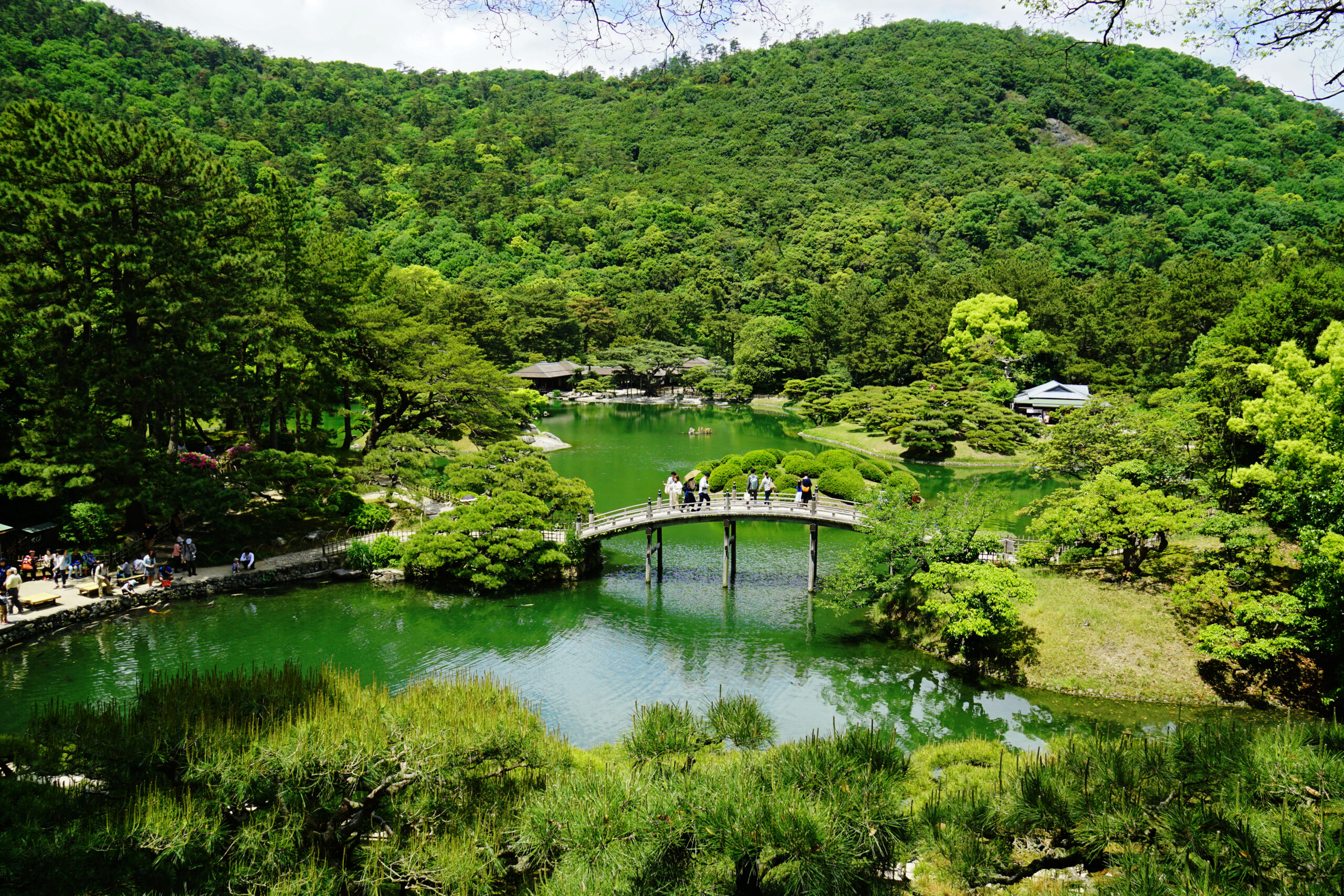
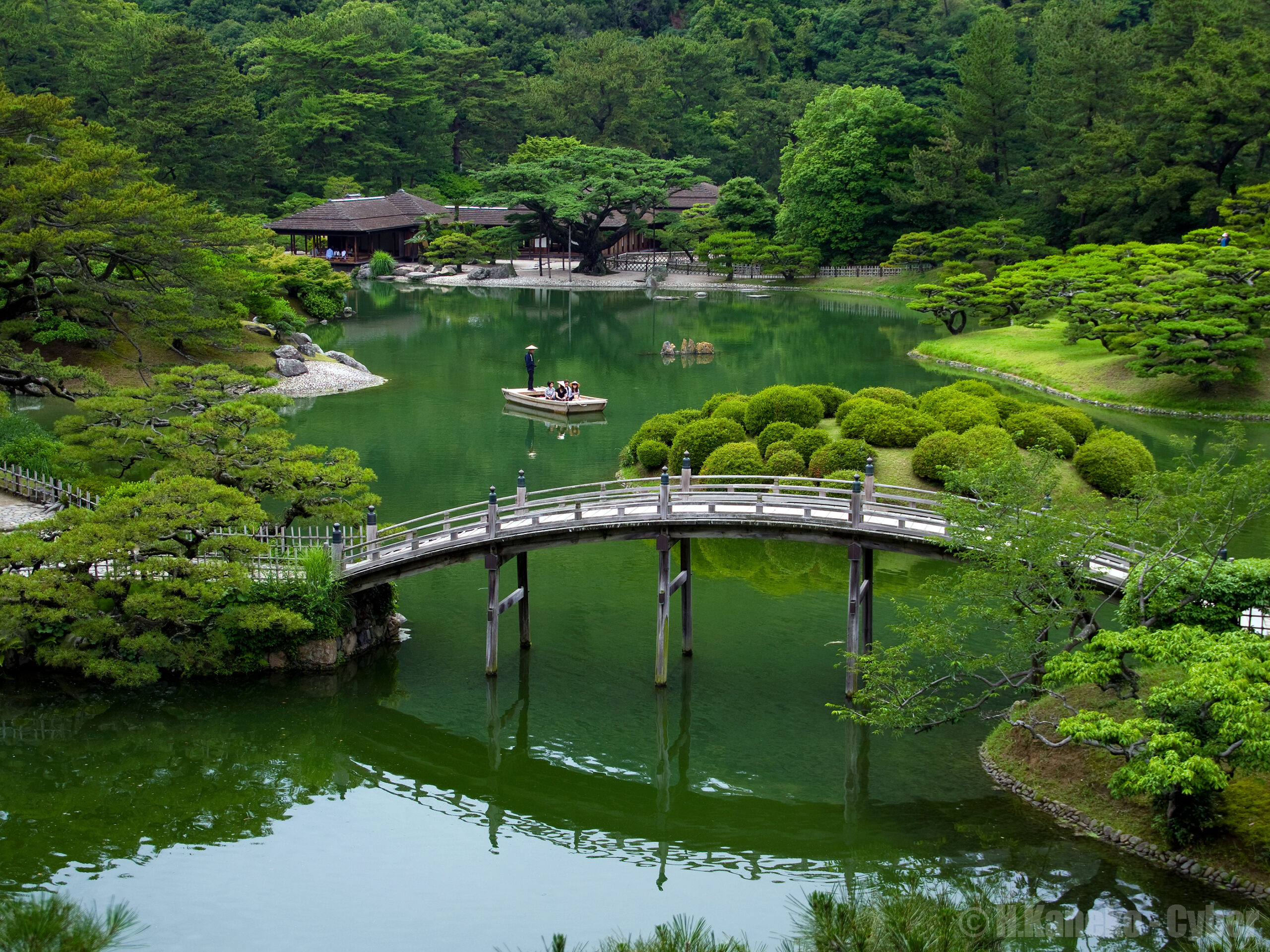
We enjoy a slow morning on the island before ferrying to the port city of Takamatsu. We begin at Ritsurin Garden, arguably the most beautiful strolling garden in Japan. We will take a private Wasen boat ride to view the meticulously pruned pines from the water, just as the feudal lords did. In the afternoon, we trade the feudal for the modern at the Isamu Noguchi Garden Museum. The former studio of the legendary sculptor preserves his unfinished stone works exactly as he left them, offering a profound meditation on the creative process.

Local Spotlight: Local Artists of Legend
Kagawa has birthed or attracted a surprising number of artistic giants. Beyond the global fame of Isamu Noguchi, the region celebrates creators like Kunibo Wada, known for his modern designs that reinterpret traditional forms. Whether in a museum or on a street corner, there always seems to be an encounter with a legacy of design that feels native to the landscape.

Stay: Auberge de Oishi
Meals: Breakfast, Lunch, Dinner (French-Japanese at Auberge)
Day 8 : Kagawa

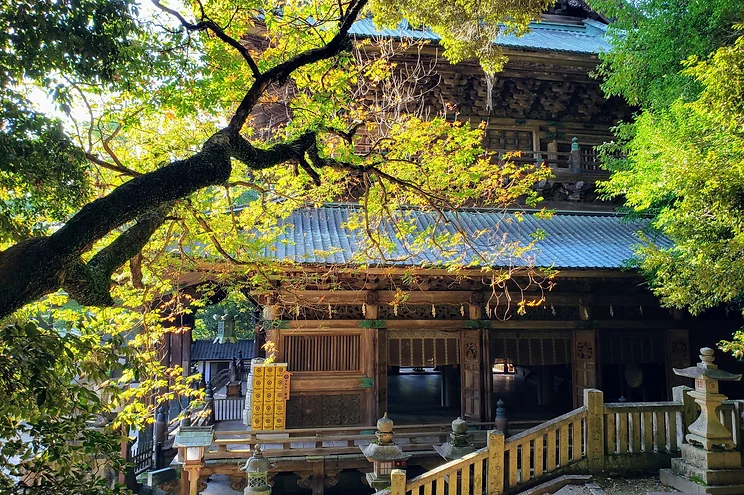
Our destination is Kotohira, a town of time-honored pilgrimage. We visit Kanamaruza, Japan’s oldest surviving Kabuki theater, stepping onto the rotating stage and into the dressing rooms of Edo-period actors. Then, we ascend the 785 stone steps to Kompirasan, the guardian shrine of seafarers. On our return to Takamatsu, we stop for an exclusive dinner at Ayai, a hidden gem in Sakaide serving the region's most honest flavors.

Local Spotlight: Kanamaruza Theater
Built in 1835, the Grand Kanamaruza is the oldest kabuki thater in Japan and a cultural heritage site, open for performances annually each spring. It is a time capsule of Japanese performing arts. Unlike modern theaters, it is human-powered. We will explore the "hell" (araku) basement area where strong men once pushed wooden beams to rotate the stage and lift the trapdoors for dramatic actor entrances. It is a sweat-inducing glimpse into the analog magic of Edo-era entertainment. >>> Most old exsisting theater in japan and National Important Curtural Heritage

Stay: Auberge de Oishi
Meals: Breakfast, Lunch, Farewell Dinne
Day 9 : Departure

Our journey through the rippling blue coasts and seas of the Setouchi region concludes today, with pre-arranged private transfers for departure from Takamatsu. We hope you leave refreshed, energized, and inspired by the culture, crafts, cuisine, and hospitality you have encountered along the way.

Meals: Breakfast
Where We Stay

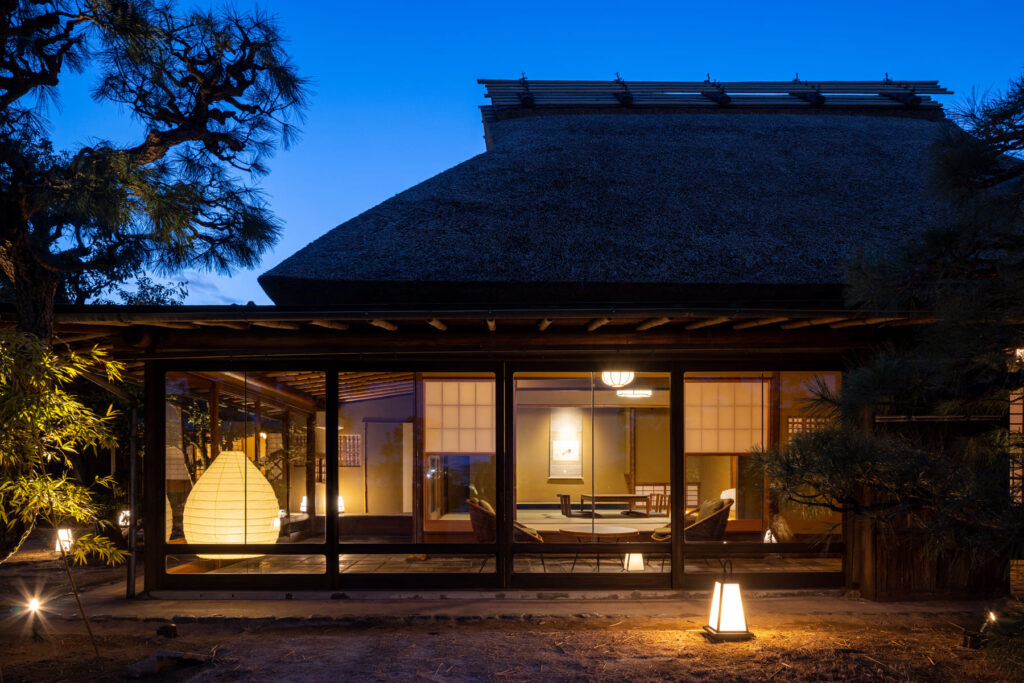
Our accommodations reflect a preference for the small and specialized—places that do not impose on the land, but are part of it, complementing the surrounds and reflecting local specialties.

Ryokan Onomichi Nishiyama

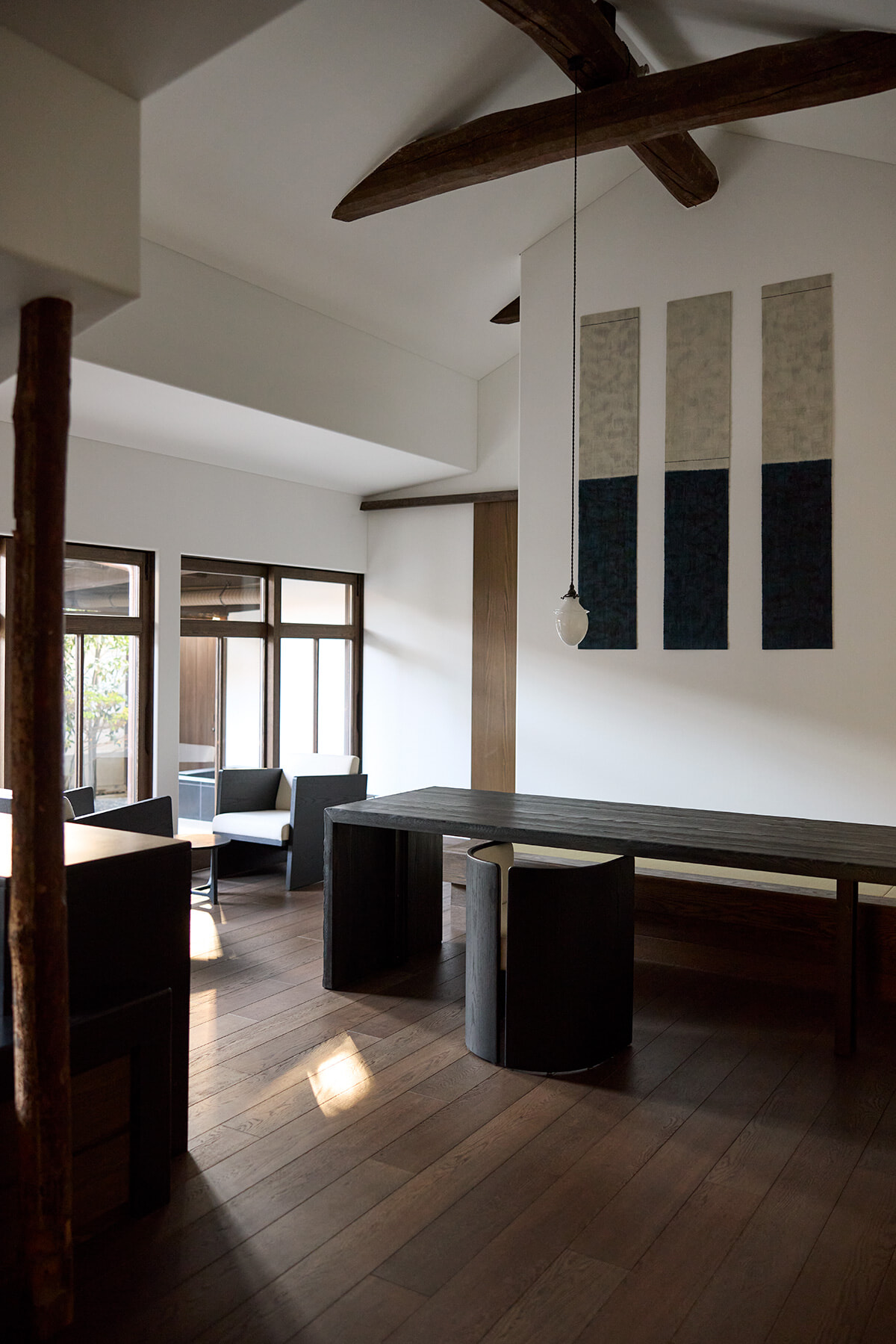
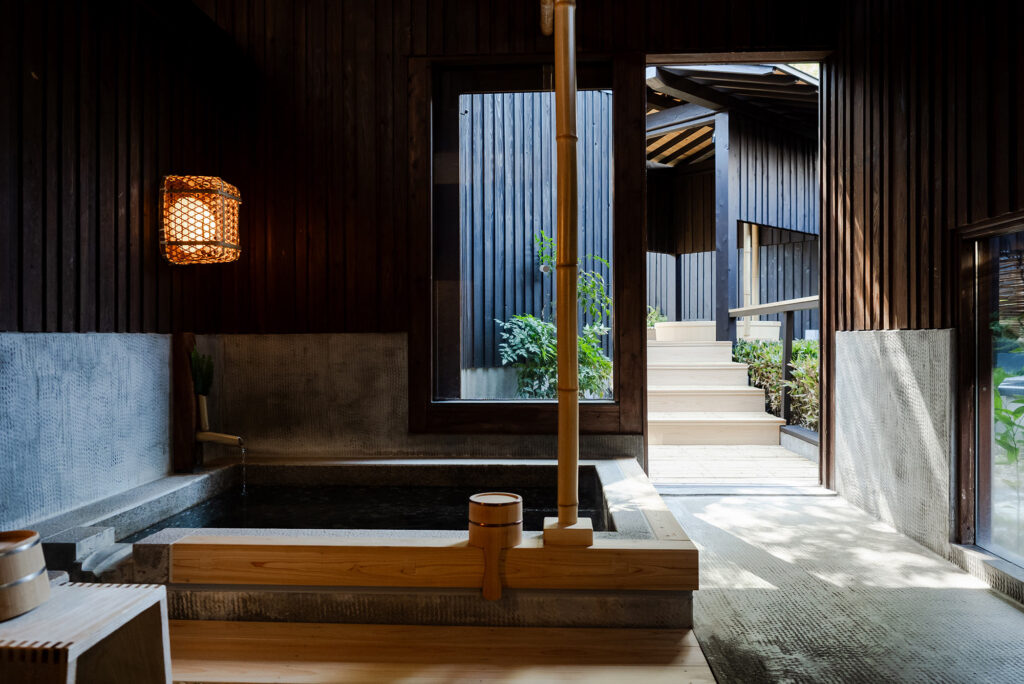
A masterfully restored heritage property, this ryokan evokes the golden age of Onomichi’s history as a thriving shipping hub. Once a gathering place for tea masters and merchants, the estate feels like a private residence from another time. With manicured gardens, open-air wooden baths, and architecture that blends Taisho-era elegance with modern comfort, it offers a luxurious anchor in the “Town of Slopes,” connecting you to the deep cultural currents of the Inland Sea.

Yoruya Kurashiki

Located within the heart of the Bikan Historical Quarter, Yoruya offers a rare, private immersion into the atmosphere of the Edo period. This beautifully restored machiya, or merchant townhouse, allows you to live within the history of the canal district rather than just viewing it. With its traditional timber framework, artisanal furnishings, and the quiet luxury of having an entire historic residence to yourself, Yoruya is a sanctuary of silence amidst the white-walled storehouses of Kurashiki.

Shimayado Mari

A former Buddhist training hall designed by Soetsu Yanagi’s beloved disciple, Keiichi Yasukawa. While preserving the atmosphere of the past where people gathered and studied, the second floor has been remodeled into six guest rooms.

AUBERGE de OOISHI

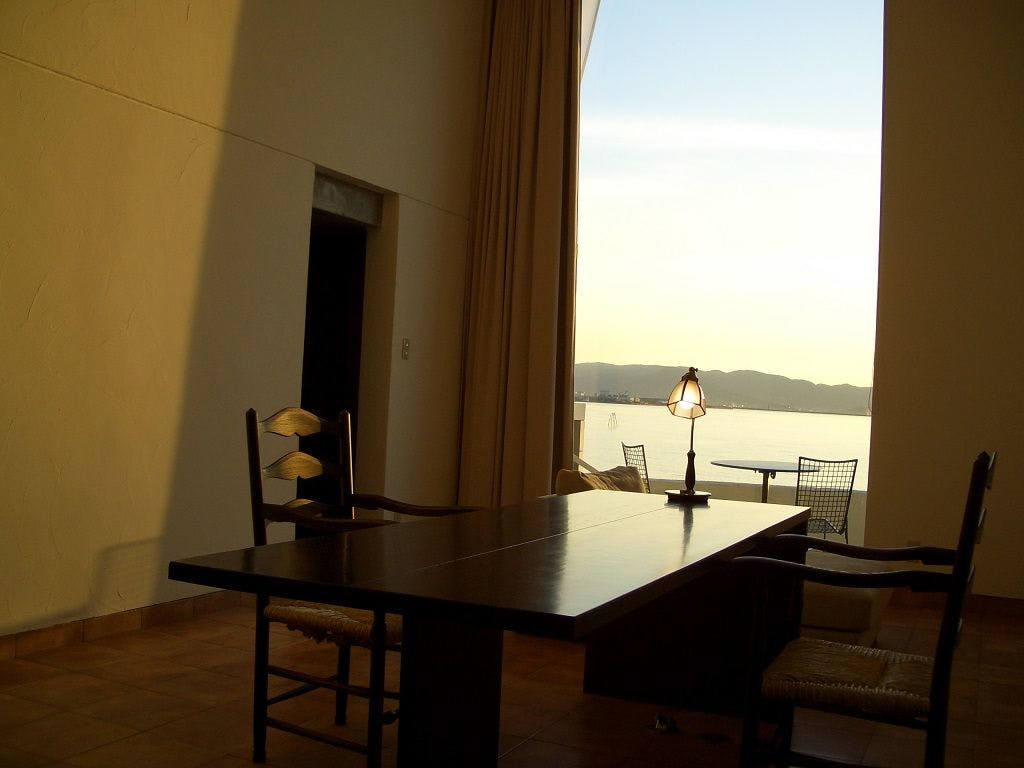
Perched on the ridges of Yashima overlooking the sparkling Seto Inland Sea, this five-room retreat is a masterclass in understated luxury. The architecture is low-profile and minimalist, designed to disappear into the landscape so that the sweeping ocean view takes center stage. But the true heart of this stay is the cuisine. As a dedicated auberge, the experience centers on Chef Oishi’s French-inspired gastronomy, where local Setouchi seafood and olives are transformed into edible art, perfectly mirroring the blue horizon outside your window.

Departure Details

ETHEREAL BLUE

SETONAIKAI

Hiroshima | Okayama | Kagawa

November 2 – November 10, 2026

(WAITLIST)

8 Nights 9 Days

Price: $12,950 USD

Per Person Based on Double Occupancy

Price: $12,950 USD

Per Person Based on Double Occupancy

Minimum Age

Guests must be 21 years or older, as our curated dining experiences include alcohol pairings.

Activity level

Leisurely. This itinerary moves at a relaxed pace with low-intensity activities, designed to be accessible and restorative.

Start / End time

The journey commences promptly at 10:00 AM on Day 1, meeting at Toyama Station.

Guaranteed Departure

This trip is guaranteed to depart with a minimum of 7 guests. To maintain an intimate atmosphere, participation is strictly capped at 12 guests.

Reserve Your Spot

*Your request does not guarantee your booking

Prefer to travel on your own terms?

We understand that set dates or group dynamics don’t fit every traveler. If you prefer the privacy of your own circle, we can adapt this itinerary into a fully bespoke private journey, customized to your preferred dates and pace.

Frequently Asked Questions

Below you will find answers to the questions we hear most often. For anything specific to your needs, please reach us directly at travel@unpluggedjapan.com.

Our cancellation policy is based on the departure date:
-120+ days prior: You will receive a full refund, less a $1,500 per-person service fee. $500 of this fee can be applied as a credit toward a future trip within one year.
-119-60 days prior: 50% of the total trip cost is non-refundable.
-59 days or fewer prior: 100% of the trip cost is non-refundable.
Please see our complete Terms & Conditions for full details.

While not required, we strongly recommend that all guests purchase comprehensive travel insurance. This protects your investment in case of unforeseen cancellations and can provide essential coverage for medical emergencies, transport, or loss of personal items. For the most complete coverage, including “Cancel For Any Reason” benefits, you should insure the full cost of your trip within two weeks of paying your initial deposit.

Your group will consist of a maximum of 12 like-minded travelers. Our guests are typically a diverse mix of ages, backgrounds, and life experiences—from solo adventurers and couples to friends traveling together. Our journeys are designed to be inclusive and are open to all travelers aged 18 and over. However, given that this trip in particular involves some consumption of alcohol (and the drinking age in Japan is 20 and over), it is open to travelers aged 20 and over.

An Unplugged Japan Trip Leader will be with you from start to finish. They are a seasoned travel professional responsible for ensuring a seamless experience and are your primary point of contact for any needs that arise. Throughout the journey, you’ll also be joined by a team of passionate local experts—from area guides to artisan masters—who will provide deep insight into their culture and craft.

Absolutely. As a bespoke travel company, we specialize in custom itineraries. If you wish to arrive early to acclimate or stay later to explore more of Japan, we can seamlessly integrate those arrangements into your journey.

Our small groups are curated for the curious. You will be traveling with a handful of like-minded individuals who value depth over breadth—people who are eager to engage with the culture, the food, and the history of Japan with an open mind.

-Accommodations & Transport: 8 nights in distinctive 4- and 5-star hotels and ryokans. All ground transportation during the trip, including private vehicles for excursions and your airport transfer upon departure.
-Dining & Experiences: Daily breakfasts, all lunches, and most dinners at a curated selection of restaurants. Local beer, sake, and non-alcoholic beverages are included with group meals.
-Accommodations & Transport: 8 nights in distinctive 4- and 5-star hotels and ryokans. All ground transportation during the trip, including private vehicles for excursions.
-Dining & Experiences: Daily breakfasts, most lunches and dinners at a curated selection of restaurants. Local beer, sake, and non-alcoholic beverages are included with group meals.
-Guidance & Access: All entrance fees for sites on the itinerary. The expertise of your full-time Unplugged Japan Trip Leader, plus specialized local guides and cultural experts for private tours, hands-on workshops, and exclusive tastings.
-Gratuities for your Trip Leader and local guides.

-International airfare to and from Japan.
-Transportation to the trip’s designated starting point in Toyama, and your airport transfer upon departure (however, this can be arranged in advance).
-Travel insurance (which we strongly recommend).
-Personal expenses such as souvenirs, laundry, room service, or hotel bar tabs.
-Activities, meals, or drinks pursued independently of the group itinerary.

Yes, we offer a “solo supplement” which guarantees a private room for the entire journey. This is a one-time fee due at booking. As we can only accommodate a limited number of solo travelers on each trip, these spots are secured on a first-come, first-served basis.

A passport valid for the entire duration of your stay is required. Currently, citizens of the US, Canada, EU, and Australia do not need a visa for tourist stays in Japan. As requirements can change, we will provide all confirmed guests with the most up-to-date travel information.

The adventure begins in Toyama. Please plan to arrive at our starting point, Toyama Station, on the first day of the itinerary. The two most convenient international airports are Tokyo-Narita (NRT) and Tokyo-Haneda (HND), with an easy bullet train connection to Toyama.

The trip concludes in the city of Fukui. If your departure airport is Kansai International (KIX) near Osaka. We advise booking a flight that departs after 6:00 PM on the final day to allow for a seamless transfer.

Because our Small Group Journeys are intimate by design, we require a minimum number of guests to operate. We will confirm your departure no later than 125 days prior to the start date.

If we do not reach this minimum, we will work with you to find the best solution—whether that is a full refund, moving your booking to a future date, or converting the itinerary into a private journey for your party.

Travel Tip: We recommend waiting to book international flights until you have received our official trip confirmation, or ensuring that any airfare purchased is fully refundable.

Important: We strongly advise booking refundable flights and pre-trip accommodations, or waiting until you receive your trip confirmation.

Scroll to Top